
Fighting Fines for Speeding in a Work Zone in Maryland
Speeding in a work zone is more than just a routine traffic violation in Maryland—it’s a serious offense with significant legal consequences. Maryland law prioritizes the safety of roadway workers, first responders, and drivers, and penalties for speeding in work zones are intentionally severe. With the passage of the Sergeant Patrick Kepp Act, Maryland has further strengthened its enforcement of dangerous speeding behavior, particularly conduct that puts others at risk.
If you received a speeding ticket for exceeding the posted speed limit in a work zone, especially at a high rate of speed, it is critical to understand your rights, the penalties you may face, and your legal options. The Law Office of Peter S. O’Neill explains how Maryland’s work zone speeding laws operate, how the Sergeant Patrick Kepp Act impacts drivers, and how an experienced traffic attorney can help you fight back.
Is a Speeding Ticket a Crime? What Maryland Law Says
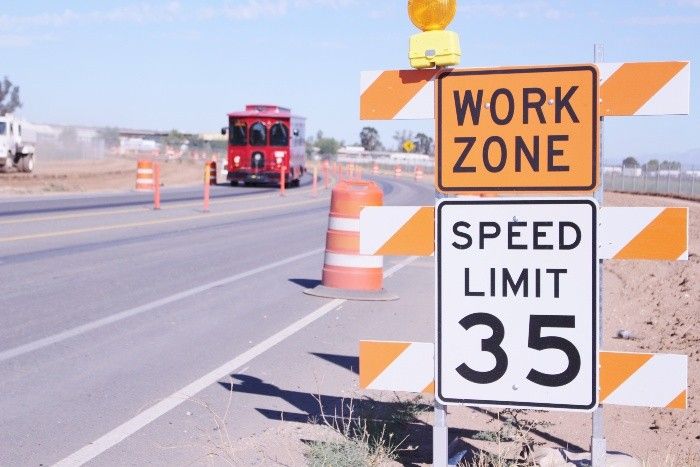
Under Maryland Transportation Article § 21‑801.1, drivers are required to obey posted speed limits and exercise heightened caution in highway work zones, particularly when construction workers or emergency personnel are present. These zones typically have reduced speed limits that are clearly posted using signage and traffic control devices. Violating these limits can result in substantial fines and points assessed to your driving record.
Maryland law has long allowed for enhanced penalties for speeding in work zones, especially when the violation endangers workers or involves repeat offenses. However, the legal landscape changed significantly with the enactment of the Sergeant Patrick Kepp Act, which took effect on October 1, 2025.
How the Sergeant Patrick Kepp Act Changes Speeding Enforcement
The Sergeant Patrick Kepp Act was enacted in response to serious injuries suffered by a Montgomery County police sergeant who was struck by a speeding driver during a traffic stop. The law expanded and strengthened Maryland’s penalties for reckless, negligent, and aggressive driving, including extreme speeding.
Under the Act:
- Driving 30 miles per hour or more above the posted speed limit may now qualify as reckless driving
- Reckless driving is a criminal offense, not just a payable citation
- Convictions can carry up to 60 days in jail, fines of up to $1,000, and six points on a driver’s license
As a result, certain speeding violations—particularly excessive speeding in or near work zones—may now expose drivers to criminal charges, mandatory court appearances, and possible incarceration.
What Happens After Receiving a Speeding Ticket in Maryland?
Receiving a speeding ticket in Maryland initiates a legal process that should not be taken lightly. The citation will outline:
- The alleged speed
- The applicable statute
- The fine amount
- Whether a court appearance is required
Drivers generally have three options: pay the ticket, request a waiver hearing, or request a trial. It is important to understand that paying the ticket is considered an admission of guilt and will typically result in points being added to your driving record.
Accumulating points can lead to:
- Increased auto insurance premiums
- Mandatory driver improvement programs
- License suspension or revocation for repeat violations
For offenses that fall under the Sergeant Patrick Kepp Act—such as speeding 30 mph or more over the limit—payment may not even be an option. These cases often require a mandatory court appearance, and the stakes are substantially higher than a standard traffic violation.
Can You Beat a Speeding Ticket in Maryland?
Yes, under the right circumstances, it is possible to successfully challenge a speeding ticket in Maryland, including work zone violations and excessive speeding cases.
Defenses may include:
- Questioning the accuracy of radar, LiDAR, or speed camera devices
- Challenging whether proper work zone signage was in place and visible
- Demonstrating that no workers were present when enhanced penalties are alleged
- Disputing officer observations related to speed or driving behavior
With the Sergeant Patrick Kepp Act lowering the threshold for criminal liability in extreme speeding cases, building a credible defense is more important than ever. These cases often require legal analysis of both traffic statutes and criminal law standards.
What Legal Strategies May Help Your Case?
Your case may necessitate a combination of strategies, including:
- Challenging Speed Measurement Evidence
Speed detection equipment must be properly calibrated and operated. Maintenance records, training documentation, and testing protocols may reveal weaknesses in the prosecution’s case. - Examining Work Zone Compliance
Maryland law requires work zones to meet specific signage and notice standards. Missing, confusing, or improperly placed signs can undermine enhanced penalties. - Reducing Criminal Exposure Under the Kepp Act
In cases involving high speeds, an attorney may work to prevent a reckless driving conviction by negotiating for reduced charges or alternative dispositions when appropriate. - Negotiating Penalties and Points
Depending on your driving history and circumstances, it may be possible to reduce fines, points, or avoid incarceration.
When Should You Consider Hiring a Lawyer for a Speeding Ticket?
While some speeding tickets may seem minor, violations involving work zones or speeds approaching the 30‑mph threshold can carry lasting consequences. Hiring a lawyer is strongly advised if:
- You face excessive speeding allegations
- Your ticket triggers the Sergeant Patrick Kepp Act
- You have prior points on your record
- You are a commercial driver
- The citation involves alleged reckless or aggressive driving
Legal representation can mean the difference between a manageable outcome and long‑term damage to your record and livelihood.
Call Us for Exceptional Traffic Defense
If you are facing a speeding ticket under Maryland’s strict work zone laws or the Sergeant Patrick Kepp Act, do not assume the matter will resolve itself. The Law Office of Peter S. O’Neill has extensive experience defending traffic cases in Glen Burnie and throughout Anne Arundel County.
We understand how Maryland traffic laws are enforced—and how to challenge them. Visit our traffic ticket defense page to learn more, or contact the Law Office of Peter S. O’Neill today for a confidential case evaluation.